Aeg Lavamat Washing Machine Manual: A Comprehensive Guide
Welcome! This manual provides detailed instructions for operating and maintaining your Aeg Lavamat washing machine‚ ensuring optimal performance and longevity for years to come.
Congratulations on choosing an Aeg Lavamat washing machine! Aeg is renowned for its commitment to innovative‚ reliable‚ and energy-efficient appliances‚ and the Lavamat series is no exception; This machine is designed to deliver exceptional cleaning performance while being gentle on your clothes and the environment.
The Aeg Lavamat boasts a range of features tailored to meet diverse laundry needs‚ from delicate fabrics to heavily soiled items. This manual serves as your comprehensive guide to understanding and utilizing all the capabilities of your new washing machine. We will cover everything from initial setup and program selection to troubleshooting and routine maintenance.
Before operating your Lavamat‚ please take the time to carefully read this manual. Familiarizing yourself with the instructions will ensure safe and efficient operation‚ maximizing the lifespan of your appliance and achieving the best possible laundry results. Let’s begin your journey to cleaner‚ fresher clothes!
Safety Precautions
Important Safety Information: Your safety is paramount. Before using the Aeg Lavamat‚ carefully review these precautions to avoid potential hazards. This appliance is intended for household use only. Misuse can lead to injury or damage.
Never attempt to repair the machine yourself. Contact a qualified technician for all repairs. Do not operate the machine if it is damaged or malfunctioning. Keep children and pets away from the washing machine during operation. Ensure the machine is properly grounded to prevent electric shock.
Avoid contact with water leaking from the machine‚ and always unplug it before cleaning or performing maintenance. Do not wash items that have been cleaned with flammable liquids. Always follow the care label instructions on your garments. Ignoring these safety guidelines could result in serious consequences. Prioritize safety for a worry-free laundry experience.
General Safety Warnings
Read Carefully: To ensure safe operation of your Aeg Lavamat‚ heed these general warnings. Never allow unqualified individuals to operate or service this appliance; Do not sit or stand on the washing machine – it is not designed to support weight and could cause damage or injury.
Keep the area around the machine clear of obstructions. Ensure adequate ventilation to prevent overheating. Do not overload the washing machine‚ as this can affect performance and potentially damage the appliance. Always close the door securely during operation.
Be cautious when opening the door after a wash cycle‚ as hot water and steam may be present. Remove all items promptly to prevent mildew growth. Do not use extension cords or adapters. Regularly inspect the power cord for damage. Ignoring these warnings may void your warranty and compromise safety.
Electrical Safety
Important Precautions: Your Aeg Lavamat operates on a high-voltage electrical supply. To prevent electric shock‚ never operate the machine with wet hands or while standing in water. Ensure the power outlet is properly grounded and matches the machine’s voltage requirements – check the rating label.
Do not modify the power cord or plug. If the cord is damaged‚ it must be replaced by a qualified technician. Avoid using the machine during thunderstorms or power surges. Never immerse the machine or its power cord in water.
Before cleaning or performing maintenance‚ always unplug the machine from the power outlet. Do not attempt to repair electrical components yourself; contact authorized service personnel. Regularly check the power cord for fraying or damage. Failure to follow these electrical safety guidelines could result in serious injury or fire.
Machine Overview & Components
Familiarizing Yourself: Your Aeg Lavamat washing machine is designed for efficient and reliable laundry care. This section details the key components. The main housing contains the drum and internal mechanisms; The top panel provides access for loading laundry and detergent. The front panel features the control panel and door.
Internally‚ the drum rotates to wash clothes‚ while the heating element heats the water. A pump drains the water‚ and a filter traps lint and debris. The water inlet valves control water flow. Externally‚ you’ll find the detergent drawer‚ water supply hoses‚ and drain hose. Understanding these components will aid in operation and maintenance.
Front Panel Controls Explained
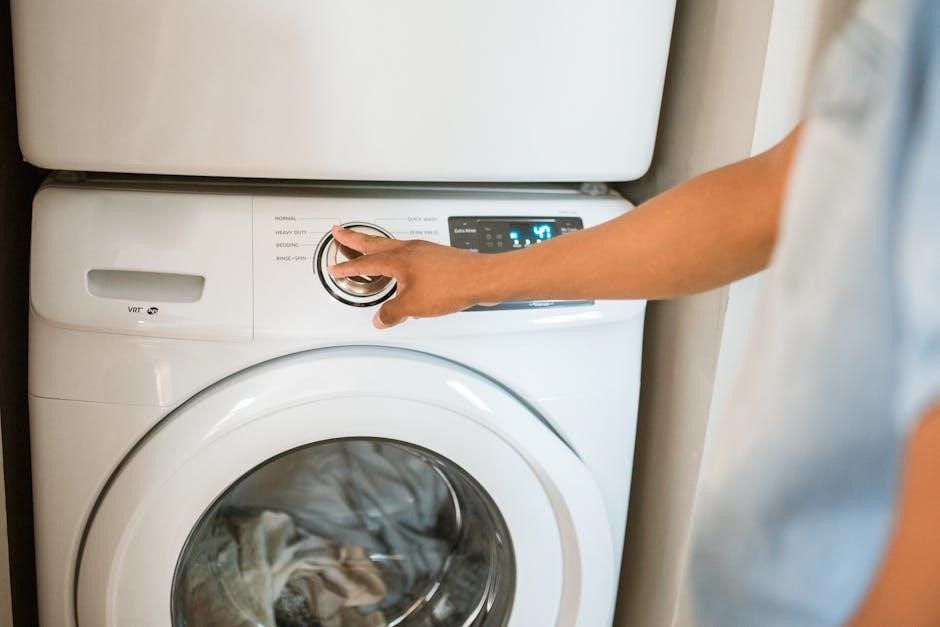
Navigating the Interface: The Aeg Lavamat’s front panel offers intuitive control. The program selector dial allows you to choose wash cycles – Cotton‚ Synthetics‚ Delicates‚ and more. The temperature selector adjusts the wash temperature‚ ranging from cold to 90°C. Spin speed is adjustable‚ from no spin to maximum speed‚ influencing moisture retention.
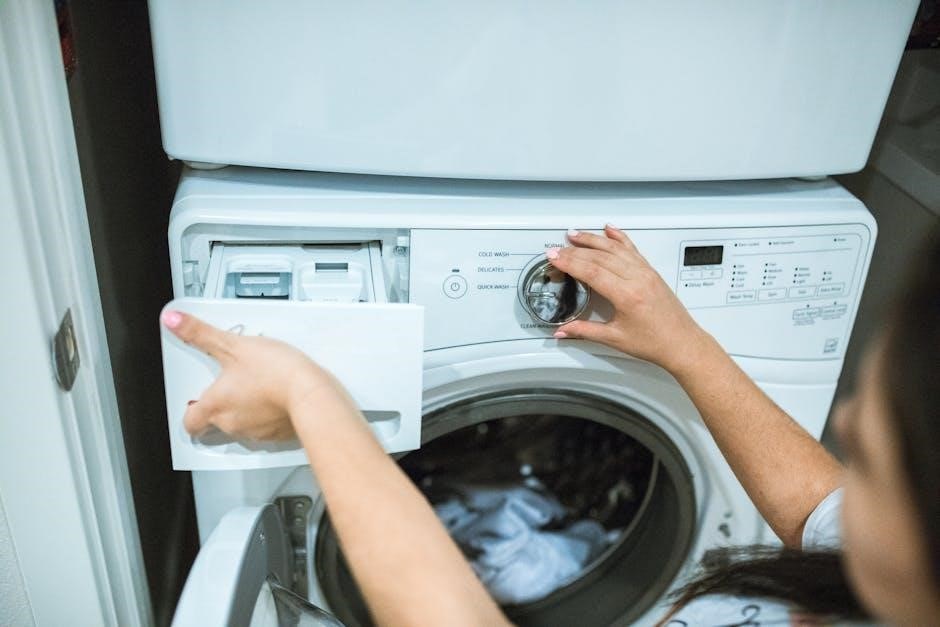
Additional buttons include Start/Pause to begin or interrupt a cycle‚ Pre-wash for heavily soiled items‚ and Extra Rinse for thorough cleaning. Indicator lights display the current cycle stage – Wash‚ Rinse‚ Spin‚ and End. A delay start function allows scheduling washes. The child lock prevents accidental program changes. Familiarize yourself with each control for optimal use.
Detergent Drawer & Dispenser
Understanding the Compartments: The Aeg Lavamat’s detergent drawer typically features three compartments. The compartment marked with “I” or a Roman numeral ‘I’ is for pre-wash detergent‚ used when activating the pre-wash function. The main wash detergent goes into the compartment marked with “II” or ‘II’. Fabric softener and rinse aid are added to the compartment usually indicated by a flower symbol or a star.
Dosage is Crucial: Always follow the detergent manufacturer’s instructions regarding dosage. Overuse can lead to residue buildup‚ while underuse may result in insufficient cleaning. Use only detergents specifically designed for washing machines. Avoid using powdered detergents in the softener compartment. Regularly clean the detergent drawer to prevent blockages and ensure optimal performance. Remove and rinse it under warm water periodically.
Drum & Filter Access
Accessing the Drum: The washing machine drum is accessed through the front-loading door. Ensure the machine is switched off and unplugged before reaching inside‚ especially if items have recently been washed. Check for any remaining items or obstructions before each use.
Locating the Filter: The filter‚ crucial for preventing blockages‚ is usually located behind a small access panel at the bottom front of the machine. You may need a flathead screwdriver to gently pry open the panel. Important: Have a shallow container and towels ready‚ as some water will likely spill when removing the filter. Carefully unscrew and remove the filter‚ cleaning out any lint‚ coins‚ or other debris. Replace the filter securely before closing the access panel.
Getting Started: Initial Setup
Unpacking & Positioning: Carefully unpack your Aeg Lavamat washing machine‚ removing all packaging materials. Position the machine on a firm‚ level surface. Avoid direct sunlight and extreme temperatures. Ensure there’s adequate space around the machine for ventilation and access for maintenance.
Transit Bolts Removal: Crucially‚ before first use‚ remove the transit bolts! These secure the drum during shipping and must be removed to prevent damage during operation. Refer to the separate transit bolt removal guide included with your machine. Failure to remove these bolts will void your warranty.
Preparing for Connection: Once the transit bolts are removed‚ you can proceed with connecting the water supply and drain hose‚ detailed in the following sections. Double-check all connections for leaks after installation.
Connecting Water Supply & Drain Hose
Water Inlet Connection: Attach the supplied water inlet hose to the cold water tap‚ ensuring a tight‚ leak-proof connection. Use the rubber washer provided. Connect the other end of the hose to the machine’s inlet valve‚ again ensuring a secure fit. Do not use used hoses.
Drain Hose Installation: Position the drain hose securely into a standpipe (typically 60-90cm high) or the edge of a sink. Ensure the hose is not kinked or obstructed‚ as this will impede drainage. Secure the hose with the provided bracket to prevent it from falling out during operation.
Checking Connections: After connecting both hoses‚ slowly turn on the water supply and check for any leaks at both ends of the inlet hose and around the drain hose connection. Tighten connections if necessary.
Leveling the Machine
Importance of Leveling: Proper leveling is crucial for stable operation‚ minimizing vibration and noise‚ and preventing damage to the machine. An unleveled machine can ‘walk’ during the spin cycle.
Adjusting the Feet: Locate the adjustable feet at the bottom corners of the washing machine. Use a spirit level to check the machine’s levelness‚ placing it on top of the machine’s cabinet. Rotate the feet clockwise to lower that corner‚ and counter-clockwise to raise it.
Locking the Feet: Once the machine is level‚ tighten the locking nuts on the feet against the machine’s base to secure them in place. Re-check the level after tightening. Ensure all feet are firmly in contact with the floor.
Understanding Wash Programs
Program Selection: Your Aeg Lavamat offers a variety of wash programs designed for different fabric types and soil levels. Selecting the correct program ensures optimal cleaning results and protects your garments.
Key Program Categories: Programs are broadly categorized into Cotton‚ Synthetics‚ Delicates/Wool‚ and Quick Wash options. Each category features variations for specific needs‚ such as intensive stains or reduced water consumption.
Program Indicators: The control panel displays icons representing each program. Refer to the program guide within this manual for detailed descriptions of each program’s settings – temperature‚ spin speed‚ and wash duration. Always check garment care labels before selecting a program.
Cotton Program – Detailed Explanation
Ideal for: The Cotton program is specifically designed for robust‚ everyday cotton items like t-shirts‚ bed linen‚ and towels. It utilizes higher temperatures and vigorous washing action to effectively remove dirt and stains from these durable fabrics.
Temperature Options: This program typically offers temperature settings ranging from 40°C to 90°C. Higher temperatures are suitable for heavily soiled items and whites‚ while lower temperatures are recommended for colored cottons to prevent fading.
Spin Speed Control: You can adjust the spin speed to suit the fabric. Higher spin speeds extract more water‚ reducing drying time‚ but may cause more creasing. Lower speeds are gentler on delicate cotton items. A pre-wash option is available for exceptionally dirty loads.
Synthetics Program – Settings & Usage
Designed for: The Synthetics program caters to a wide range of synthetic fabrics like polyester‚ nylon‚ acrylics‚ and blends. These materials require a gentler wash than cotton to prevent damage and maintain their shape and color.
Temperature Guidance: Typically‚ temperatures between 30°C and 60°C are recommended for synthetic fabrics. Always check the garment’s care label for specific instructions. Higher temperatures can cause shrinking or melting.
Spin Speed Considerations: A moderate spin speed is generally suitable for synthetics. Excessive spin can cause creasing and strain the fibers. The program often includes options for reduced creasing or an easy-iron finish. Utilize the soil level adjustment for optimal cleaning.
Delicate/Wool Program – Gentle Washing
Specifically for: This program is engineered for delicate items like silk‚ lingerie‚ and wool garments. It employs a very gentle washing action and lower spin speeds to protect sensitive fibers from damage‚ shrinking‚ or stretching.
Temperature Control is Key: Always use cold water (30°C or lower) for wool and delicate fabrics. Hot water can cause irreversible shrinking and felting of wool. Refer to the garment’s care label for precise temperature recommendations.
Detergent Selection: Employ a detergent specifically formulated for delicate fabrics or wool. Regular detergents can be too harsh and damage the fibers. A reduced detergent amount is also advisable to prevent residue buildup. Select a low spin speed or a ‘no spin’ option to minimize stress on the garments.
Using Special Features
Enhance your wash cycles! Your Aeg Lavamat offers several special features designed to customize your laundry experience and address specific needs. These features aren’t always necessary‚ but can significantly improve cleaning results and garment care.
Optimizing Performance: Explore options like ‘Pre-Wash’ for heavily soiled items‚ ensuring a deeper clean by loosening stubborn dirt before the main wash cycle begins. The ‘Extra Rinse’ function is ideal for individuals with sensitive skin or allergies‚ removing residual detergent effectively.
Time Saving Options: Consider utilizing the ‘Quick Wash’ for lightly soiled clothes when time is limited. Remember to consult the program guide to understand which features are compatible with each wash program for optimal results and to avoid potential damage to your clothes.
Pre-Wash Function – When to Use It
Tackle tough stains! The Pre-Wash function on your Aeg Lavamat is invaluable for garments with significant soiling – think muddy work clothes‚ heavily stained children’s wear‚ or items that have been stored for a prolonged period. It adds an initial‚ shorter wash cycle before the main wash‚ loosening dirt and grime for a more thorough clean.
Effective Application: Use Pre-Wash with programs designed for durable fabrics like cottons and linens. Avoid using it with delicate items as the extra wash cycle could cause damage. Always add detergent to the pre-wash compartment of the detergent drawer‚ and consider a lower wash temperature for the pre-wash stage to prevent setting stains.
Maximizing Results: For extremely dirty items‚ a soak cycle before activating Pre-Wash can further enhance stain removal.
Extra Rinse Option – For Sensitive Skin
Gentle care for you and your family! The Extra Rinse option on your Aeg Lavamat is specifically designed to remove residual detergent from clothes‚ making it ideal for individuals with sensitive skin‚ allergies‚ or babies. Detergent residue can often cause irritation‚ even after a standard wash cycle.
How it Works: Activating this feature adds one or two additional rinse cycles to the end of your chosen wash program‚ ensuring a more complete removal of soap suds. This is particularly beneficial when using strong detergents or when washing items that come into direct contact with skin.
Best Practices: Select the Extra Rinse option before starting the wash cycle. It’s also recommended for dark-colored garments to help prevent fading and for heavily soiled items where thorough rinsing is crucial.
Troubleshooting Common Issues
Don’t panic! Most issues with your Aeg Lavamat washing machine are easily resolved. This section addresses frequently encountered problems and provides simple solutions to get your machine back up and running smoothly. Before contacting customer support‚ please review these common issues and attempt the suggested fixes.
Quick Checks: Always ensure the machine is properly plugged in and the water supply is turned on. Verify that the door is securely closed‚ as the machine won’t start if it detects an open door. Check for any kinked hoses or obstructions in the drain.
Further Assistance: If these basic checks don’t resolve the problem‚ consult the specific troubleshooting sections for issues like ‘Machine Not Starting’ or ‘Drainage Problems’ for more detailed guidance. Remember to always disconnect the power before attempting any internal repairs.
Machine Not Starting – Possible Causes
Is your Aeg Lavamat refusing to begin a wash cycle? Several factors could be at play. First‚ verify the power supply – is the machine plugged in securely‚ and is the outlet functioning correctly? Test with another appliance. Next‚ check the door latch; the machine won’t start if it doesn’t register a closed and locked door.
Program Selection: Ensure a wash program has been selected and the ‘Start/Pause’ button has been pressed. Some models have a child lock feature – deactivate this if enabled. A tripped circuit breaker can also prevent operation; check your home’s electrical panel.
Internal Issues: If the above steps fail‚ a more serious internal fault may exist. Do not attempt to repair this yourself; contact a qualified technician for assistance. Always disconnect the power before seeking professional help.
Drainage Problems – Clearing Blockages
Is water remaining in your Aeg Lavamat drum after a wash cycle? This usually indicates a drainage issue. Begin by checking the drain hose – ensure it isn’t kinked‚ twisted‚ or blocked. Verify the hose is correctly positioned in the drainpipe‚ not inserted too far.
Filter Inspection: The drain pump filter is a common culprit. Locate the filter access panel (usually at the front‚ bottom of the machine) and carefully remove the filter. Clean out any lint‚ debris‚ small objects (coins‚ buttons)‚ or hair. Ensure the filter is securely reinstalled.
Pump Obstruction: If the filter is clear‚ the drain pump itself might be blocked. This requires professional assistance – do not attempt to disassemble the pump yourself. Contact a qualified technician for safe and effective repair.
Cleaning & Maintenance
Regular cleaning extends the life of your Aeg Lavamat and maintains optimal washing performance. Monthly drum cleaning is crucial; use a washing machine cleaner or a hot wash cycle with vinegar to eliminate residue and odors. Wipe down the exterior with a damp cloth and mild detergent.
Pay close attention to the door seal – remove any trapped debris or mildew. Inspect the detergent drawer regularly and clean it thoroughly to prevent blockages. The drain filter requires periodic cleaning (refer to the ‘Troubleshooting’ section for detailed instructions).
Avoid using abrasive cleaners‚ as they can damage surfaces. Leave the door ajar after each wash to allow the drum to air dry‚ preventing mold growth. Consistent maintenance ensures years of reliable service!
Cleaning the Drum & Seals
Maintaining a clean drum is vital for hygienic laundry and machine longevity. Run a dedicated drum cleaning cycle monthly‚ utilizing a commercially available washing machine cleaner. Alternatively‚ pour two cups of white vinegar into the detergent dispenser and run a hot‚ empty wash cycle.
After each wash‚ wipe the drum with a clean‚ dry cloth to remove excess moisture. The door seal requires particular attention; carefully inspect the rubber folds for trapped lint‚ hair‚ or mildew. Gently clean the seal with a damp cloth and mild detergent‚ ensuring all crevices are addressed.
Avoid abrasive cleaners on the seal‚ as they can cause damage. Leaving the door slightly ajar after use promotes air circulation and prevents mold buildup. A clean drum and seal contribute to fresh‚ effective washing.
Filter Cleaning – Step-by-Step Guide
Regular filter cleaning is crucial for preventing drainage issues and maintaining wash performance. Locate the filter access panel‚ typically at the front bottom of the machine. Place a shallow container and towels nearby to catch any spilled water.
Slowly open the access panel‚ as water may be present. Unscrew the filter cap‚ turning it counterclockwise. Carefully remove the filter and clean it thoroughly under running water‚ removing lint‚ coins‚ and other debris. Inspect the filter housing for obstructions and clear them out.
Reinstall the filter‚ ensuring it’s securely tightened. Close the access panel firmly. It’s recommended to clean the filter every three months‚ or more frequently if you wash heavily soiled items. A clean filter ensures efficient drainage.