Worksheet Overview
Explore the three branches of government through interactive activities‚ matching exercises‚ and real‑world scenarios. Students will identify powers‚ responsibilities‚ and interrelationships while developing critical thinking and civic engagement skills. It encourages inquiry‚ deepening civic insight. daily!!
Learning Objectives
By completing this worksheet‚ students will be able to:
- Identify the primary functions and powers of the legislative‚ executive‚ and judicial branches.
- Explain how each branch interacts with the others through checks and balances.
- Describe real‑world examples of branch cooperation and conflict.
- Analyze the impact of constitutional amendments on branch authority.
- Apply critical thinking to evaluate contemporary political scenarios.
- Demonstrate civic responsibility by proposing informed solutions to governance challenges;
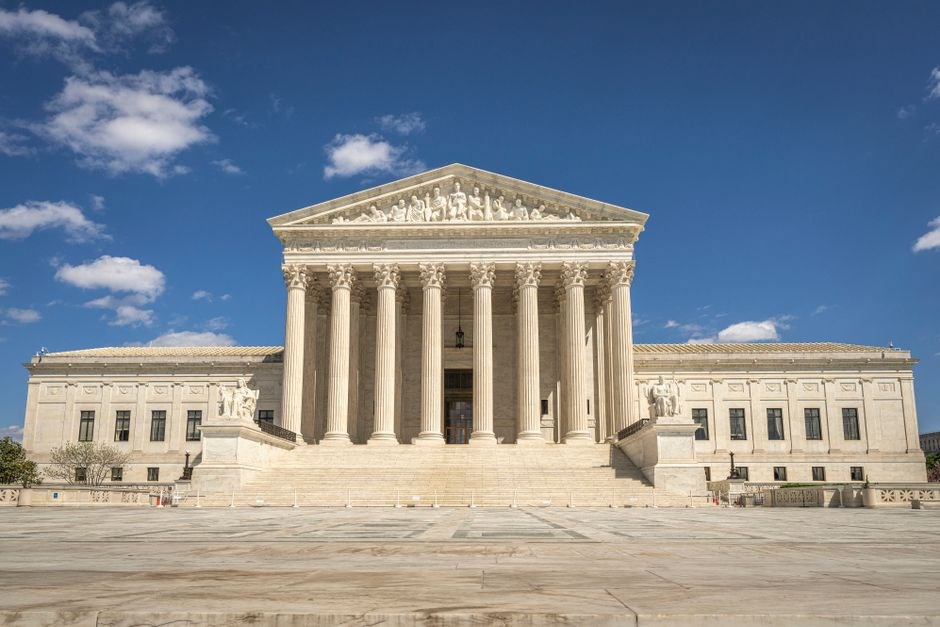
These objectives guide students through a comprehensive exploration of the Constitution’s framework‚ encouraging them to compare historical precedents with modern‑day applications. Students will analyze landmark Supreme Court cases‚ assess the role of congressional committees‚ and evaluate executive orders in shaping policy. By engaging in debates‚ role‑plays‚ and reflective writing‚ learners will develop a nuanced understanding of how each branch upholds democratic principles while navigating political pressures. The worksheet also prompts critical reflection on the balance of power‚ the importance of transparency‚ and the impact of civic participation on governance outcomes. Through this structured approach‚ students gain the analytical tools necessary to assess governmental actions‚ anticipate potential conflicts‚ and propose informed‚ evidence‑based solutions that strengthen democratic institutions. Students will also practice summarizing key concepts in brief quickly points.
Key Features
Designed for interactive learning‚ this worksheet offers a blend of visual aids‚ multiple‑choice questions‚ and scenario‑based tasks that illustrate the distinct powers of the legislative‚ executive‚ and judicial branches. Students can drag and drop elements to match responsibilities‚ fill in blanks to test recall‚ and analyze case studies that highlight real‑world applications of checks and balances. The format encourages collaboration through group discussion prompts and peer review sections‚ ensuring that learners not only memorize facts but also synthesize information and articulate their reasoning. Built with accessibility in mind‚ the PDF includes high‑contrast text‚ clear headings‚ and optional audio narration for diverse learning styles. Additionally‚ the worksheet features a self‑assessment rubric that tracks progress and offers targeted feedback‚ allowing teachers to tailor follow‑up instruction. The resource is fully customizable‚ enabling educators to adjust difficulty levels‚ insert local examples‚ or integrate it into a broader curriculum unit on civics and government. By engaging with these dynamic activities‚ students develop critical thinking‚ civic literacy‚ and a deeper appreciation for the constitutional framework that governs everyday life. This worksheet provides interactive activities that illustrate the powers of the three branches of government‚ encouraging students to analyze real‑world scenarios and apply critical thinking skills. This worksheet provides interactive activities that illustrate the powers of the three branches of government‚ encouraging students to analyze real‑world scenarios and apply critical thinking skills. This worksheet provides interactive activities that illustrate the powers of the three branches of government‚ encouraging students to analyze real‑world scenarios and apply critical thinking skills. This worksheet provides interactive activities that illustrate the powers of the three branches of government‚ encouraging students to analyze real‑world scenarios and apply critical thinking skills. This worksheet provides interactive activities that illustrate the powers of the three branches of government‚ encouraging students to analyze real‑world scenarios and apply critical thinking skills. This worksheet provides interactive activities that illustrate the powers of the three branches of government‚ encouraging students to analyze real‑world scenarios and apply critical thinking skills. Students will assess how the branches balance power‚ discuss amendments and suggest solutions to modern governance challenges fostering civic engagement today in daily

Format and Layout
Designed for classroom use‚ the worksheet’s layout is clean and intuitive‚ featuring a two‑column format that separates questions from answer keys. Each page begins with a concise heading‚ followed by a short introductory paragraph that frames the topic. The main body is divided into three distinct sections‚ one for each branch‚ and each section contains a mix of fill‑in‑the‑blank‚ multiple‑choice‚ and short‑answer items. Visual aids such as flowcharts and infographics are embedded to illustrate the separation of powers and the interaction between branches. A sidebar on the right highlights key vocabulary and definitions‚ while a “quick‑look” box at the bottom of each page offers a summary of the main points. The worksheet also includes a dedicated space for students to write their own examples of how the branches influence everyday life. At the end of the document‚ a reflection section prompts learners to consider how the checks and balances system protects democratic values. The PDF is formatted for easy printing‚ with ample white space and bold headings that guide the eye. For digital use‚ the file is optimized for screen reading‚ ensuring that students can navigate through the sections smoothly. The design supports both individual and group work‚ making it a versatile tool for diverse teaching styles.
Additionally‚ the worksheet incorporates a color‑coded system that distinguishes the legislative‚ executive‚ and judicial sections‚ aiding memory. Each section’s questions are grouped by difficulty‚ allowing teachers to scaffold instruction. The footer includes a quick reference chart of core functions. Students can color code notes‚ and the PDF supports annotation. Use it daily review!!.
Target Audience
Designed for middle‑school students (grades 6‑8) who explore civic concepts‚ this worksheet serves high‑school freshmen and teachers seeking a organized intro to the U.S. constitutional framework. The content is pitched at a 9th‑grade level‚ ensuring accessibility while challenging learners to analyze the separation of powers checks and balances‚ and practical implications of each branch in everyday governance. Parents and tutors may use the worksheet as a discussion starter‚ helping students articulate legislation‚ executive decisions‚ and judicial rulings kids!! The format encourages collaborative work; students can pair up to compare bills‚ debate orders‚ or role‑play court cases. It is also suitable for online learning environments‚ as the PDF is fully responsive and compatible with screen readers. By engaging with this resource‚ learners develop critical thinking‚ research skills a deeper appreciation democratic institutions. Use it daily!!
By engaging with this resource‚ learners develop critical thinking‚ research skills a deeper appreciation democratic institutions.
Content by Branch
Each branch section offers targeted activities: Legislative tasks on drafting bills‚ Executive scenarios on signing orders‚ Judicial case studies on interpreting law. Students compare powers‚ responsibilities‚ and real‑world impacts‚ reinforcing the separation of powers concept. Engaging daily! Keep exploring!!
Explore the three branches of government through interactive activities‚ matching exercises‚ and real‑world scenarios. Students will identify powers‚ responsibilities‚ and interrelationships while developing critical thinking and civic engagement skills. It encourages inquiry‚ deepening civic insight.
Each branch section offers targeted activities: Legislative tasks on drafting‚ debating‚ and enacted. The worksheet guides learners through a series of tasks that mirror real‑world congressional processes‚ from drafting a bill to navigating committee reviews and floor votes. By engaging with these simulations‚ students gain insight into the checks and balances that shape policy outcomes;
Key activities include:
- Bill‑drafting exercise: Students create a concise proposal addressing a local issue‚ then outline the steps required to advance it through the House and Senate.
- Committee role‑play: Participants assume the roles of committee members‚ sponsors‚ and opposition‚ debating amendments and negotiating compromises.
- Floor debate simulation: Learners practice presenting arguments‚ responding to questions‚ and voting on a final version of the bill.
- Historical case study: Analyzing landmark legislation (e.g.‚ Civil Rights Act‚ Affordable Care Act) to identify the legislative strategies that secured passage.
Assessment focuses on critical thinking‚ collaboration‚ and the ability to articulate the legislative process in clear‚ concise language. Students reflect on how the separation of powers influences the drafting and passage of laws‚ preparing them for deeper exploration of the executive and judicial branches in subsequent sections.
Students will also create a visual timeline of key legislative milestones‚ enhancing understanding.
Learners will also annotate the timeline with key dates‚ deepening their grasp of the history.
Students will also create a mind map linking legislation to societal impact.
Finally‚ a reflective journal entry will consolidate learning and personal insights.
Students will journal their reflections linking lessons to civic life.
A final quiz will test recall and application of concepts!
Teachers can adapt activities for learning styles.
Download the PDF to print or use for class.
Worksheet promotes interactive learning.
Use it to spark discussion and critical thinking.
Explore gov!
Go!
OK
Executive Branch Section
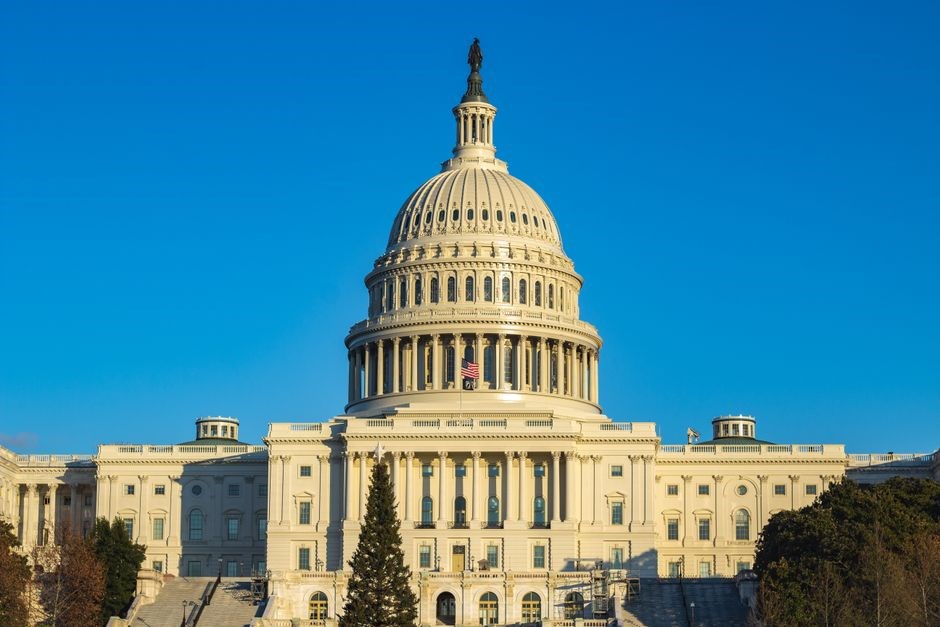
The executive branch‚ headed by the President‚ is responsible for enforcing laws‚ managing federal agencies‚ and conducting foreign policy. Students will examine the President’s powers—veto‚ executive orders‚ and treaty ratification—alongside the roles of the Vice President‚ Cabinet‚ and federal agencies. The worksheet includes a series of tasks that mirror real‑world executive functions‚ from drafting policy proposals to responding to crises.
Key activities include:
- Policy drafting simulation: Students create a brief executive order on a contemporary issue‚ then outline the steps for implementation and potential legal challenges.
- Cabinet briefing role‑play: Participants assume the roles of Cabinet members‚ presenting policy recommendations and debating priorities with the President.
- Crisis management exercise: Learners respond to a simulated emergency (e.g.‚ natural disaster‚ cyberattack)‚ coordinating with federal agencies and communicating with the public.
- Foreign policy case study: Analyze a recent treaty or diplomatic initiative‚ identifying negotiation strategies and the executive’s influence on international relations.
Assessment focuses on critical analysis‚ collaboration‚ and the ability to articulate executive decision‑making processes. Students reflect on how executive actions interact with legislative and judicial branches‚ preparing them for deeper exploration in subsequent sections.
Students will create a visual timeline of executive actions enhancing understanding of historical context now.
Judicial Branch Section
The judicial branch interprets laws‚ resolves disputes‚ and ensures constitutional compliance. Students examine the Supreme Court’s role‚ landmark cases‚ and the appointment process. The worksheet guides learners through case briefs‚ moot court simulations‚ and the separation of powers analysis.
Key components:
- Case analysis: Review excerpts from landmark decisions (e.g.‚ Marbury v. Madison‚ Brown v. Board of Education) and identify the legal principles applied.
- Moot court: Students draft arguments‚ present oral arguments‚ and receive peer and teacher feedback‚ simulating a real appellate court.
- Judicial review exercise: Evaluate a hypothetical statute for constitutionality‚ citing relevant precedents.
- Appointment process: Trace the nomination and confirmation steps for a federal judge‚ noting the roles of the President and Senate.
Assessment focuses on critical thinking‚ legal reasoning‚ and collaborative discussion. Reflection prompts encourage students to consider how judicial decisions shape society and interact with other branches.
The worksheet also incorporates a reflective journal prompt‚ asking students to write about a recent Supreme Court decision and its impact on everyday life. Additionally‚ a quick quiz with true/false statements tests recall of key concepts. Finally‚ students create a visual mind map linking judicial powers to real‑world outcomes‚ reinforcing their understanding. It also encourages debate on how judicial decisions influence life.!!
Comparative Analysis Questions
Students compare the powers‚ limitations‚ and interactions of the legislative‚ executive‚ and judicial branches. The worksheet presents a series of open‑ended prompts that require critical evaluation and synthesis of concepts covered in the preceding sections.
- Identify a scenario where the three branches must collaborate. Explain how each branch’s authority is exercised.
- Analyze a recent Supreme Court decision and discuss its implications for the other branches.
- Contrast the appointment processes for a federal judge and a cabinet member‚ noting checks and balances.
- Evaluate the role of congressional oversight in executive actions. Provide evidence from recent historical events.
- Propose a reform to improve inter‑branch communication. Justify your proposal with constitutional principles.
Answers should include specific examples‚ citations of relevant cases or statutes‚ and a clear articulation of how the branches influence one another. This section encourages students to think beyond isolated facts and to appreciate the dynamic nature of governance.
To deepen analysis‚ students are asked to create a comparative chart that maps the constitutional powers of each branch‚ noting overlaps and unique authorities. They must then write a brief essay (150–) arguing which branch holds the most influence in a specific policy area‚ supporting their stance with evidence from the worksheet and external sources.

Finally‚ students reflect on how the balance of power has evolved over time‚ citing at least two historical shifts (e.g.‚ the rise of the executive in the 20th century‚ the expansion of judicial review). This reflection should demonstrate an understanding of the dynamic interplay that sustains democratic governance.
Assessment rubric: Accuracy (40%)‚ Depth of Analysis (30%)‚ Use of Evidence (20%)‚ Clarity of Writing (10%). Students receive feedback on each criterion‚ encouraging iterative improvement.
Group discussion: Students pair up to debate the merits of a proposed constitutional amendment that would alter the balance of powers. Each pair presents their position‚ followed by a class vote and a written summary of the debate outcomes.
By engaging in these comparative tasks‚ learners develop a nuanced understanding of how the branches function independently yet remain interdependent‚ reinforcing the foundational principle that no single branch can dominate the others without checks and balances.
Implementation and Resources
Use the PDF in lesson plans‚ assign group tasks‚ and integrate digital quizzes. Provide teacher notes‚ downloadable templates‚ and links to official government sites for up‑to‑date data. Encourage reflective journaling and peer review for deeper engagement. 2026. Enjoy! ok
Classroom Activities
Design a series of engaging lessons that bring the abstract concepts of the legislative‚ executive‚ and judicial branches to life. Begin with a brief recap of the Constitution’s separation of powers‚ then move into hands‑on simulations. Students can role‑play as senators drafting a bill‚ as a president signing or vetoing legislation‚ and as judges interpreting a controversial case. Use the worksheet’s fill‑in‑the‑blank sections to reinforce key terminology‚ and incorporate matching exercises that pair powers with the correct branch. After the simulations‚ have students reflect in small groups‚ discussing how checks and balances function in practice. Provide a “branch‑specific” worksheet that asks students to identify real‑world examples of each branch’s authority‚ such as recent Supreme Court rulings‚ executive orders‚ or congressional investigations. Encourage critical analysis by asking students to predict outcomes if one branch oversteps its limits. To deepen understanding‚ integrate a comparative activity where students compare the U.S. system with another country’s government structure‚ noting similarities and differences. Finally‚ assess learning through a quick quiz embedded in the PDF‚ and allow students to submit their completed worksheets electronically for instant feedback. This approach promotes active learning‚ collaboration‚ and a deeper appreciation of democratic governance. Additionally‚ assign a debate where students argue from the perspective of each branch‚ defending their constitutional powers. Incorporate multimedia resources such as short videos or news clips that illustrate recent governmental actions‚ and have students annotate key points. Conclude the unit with a reflective essay that synthesizes their learning and connects it to their civic responsibilities.
Assessment and Feedback
Use the built‑in rubric to evaluate student responses on accuracy‚ depth‚ and application of separation‑of‑powers concepts. Assign a short quiz that asks students to match powers to the correct branch‚ identify real‑world examples‚ and explain the role of checks and balances. Provide immediate‚ automated feedback for multiple‑choice items‚ and offer detailed commentary on open‑ended sections. Encourage peer review by having students exchange drafts and comment on each other’s explanations‚ fostering collaborative learning. Incorporate a reflective component where learners assess their own understanding and set goals for further study. For formative assessment‚ conduct a quick exit ticket at the end of the lesson‚ asking students to list one new insight about how the branches interact. Summative assessment can involve a project where groups create a mock legislative session‚ complete with a written report that references key points. Use a digital platform to track progress‚ generate performance dashboards‚ and share individualized feedback with each student.
Students can create a video explaining how the three branches interact‚ which can be shared on a class blog for peer evaluation. The worksheet’s rubric should include criteria for accuracy‚ depth of analysis‚ clarity of explanation in depth‚ and engagement with examples and thorough. By providing both formative and summative assessment opportunities‚ educators ensure that students not only memorize facts but also apply concepts to political scenarios. Continuous feedback helps students adjust their understanding and fosters a deeper‚ lasting grasp of governmental structure.for all learners Keepexploring!Keep exploring now!!!
Extension Activities
After mastering the worksheet‚ students can deepen their understanding through a series of engaging projects and research tasks that build on the foundational concepts of the three branches.
One idea is to create a mock congressional hearing where each student assumes a role—legislator‚ executive‚ or judicial advisor—and must present evidence‚ argue positions‚ and vote on a proposed bill. This activity encourages critical thinking‚ public speaking‚ and collaboration while reinforcing the legislative process and the influence of checks and balances.
Another extension is to compare constitutional amendments across different countries‚ examining how each nation structures its executive‚ legislative‚ and judicial powers. Students can present findings in a multimedia format such as a podcast‚ video documentary‚ or interactive timeline‚ fostering global awareness and critical analysis of governance models.
For advanced learners‚ design a simulation game using a simple coding platform like Scratch or a spreadsheet model that tracks the passage of a bill through committees‚ floor debates‚ and veto overrides. Students record data on time‚ votes‚ and amendments‚ then analyze trends to understand how procedural rules shape legislative outcomes.
Finally‚ students can draft a letter to a local representative proposing a policy change that reflects their learning about the branches. They research the issue‚ craft a persuasive argument‚ and submit the letter‚ receiving feedback and linking classroom theory to real‑world action Students share today.
PDF Download and Customization

Download the worksheet in PDF format by clicking the button below. The file is fully editable‚ allowing teachers to modify questions‚ add images‚ or change answer keys to match their curriculum. Open the PDF in any standard editor‚ replace placeholder text‚ and save a new version for your classroom.
To customize‚ download the source files (Word‚ Google Docs‚ and PowerPoint) from the same page. These templates preserve formatting while giving you full control over content. Once edited‚ export the final version as PDF or upload it to your LMS for seamless access.

Additionally‚ the resource includes a style guide that outlines recommended fonts‚ color schemes‚ and layout options. By following these guidelines‚ educators can maintain a consistent visual identity across all materials‚ enhancing student engagement and reinforcing brand recognition.
Whether you need a quick handout or a comprehensive‚ branded study kit‚ this download hub provides everything you need to support student learning and promote civic literacy.