Overview of PEG-ES as a Bowel Cleansing Agent
Polyethylene glycol‑electrolyte solution (PEG‑ES) is a non‑absorbable, isotonic laxative that draws water into the colon․ Nurses instruct patients to consume 240 mL every 10–15 min, continuing until clear liquid stools appear, ensuring complete bowel clearance․ Avoid juice to preserve osmoticly․

Indications for Use Prior to Colonoscopy
Polyethylene glycol‑electrolyte solution (PEG‑ES) is indicated for patients scheduled for diagnostic or therapeutic colonoscopy when a clear visual field is essential․ It is preferred for individuals with normal renal function and no severe electrolyte disturbances, as it is non‑absorbable and does not alter systemic electrolyte balance․
PEG‑ES is contraindicated in patients with significant renal impairment, severe dehydration, or known hypersensitivity to polyethylene glycol․ It is also unsuitable for those with obstructive bowel lesions or acute intestinal obstruction, where forced fluid movement could precipitate perforation․ Additionally, patients with severe cardiac or pulmonary disease may require alternative preparations due to the volume load․ PEG‑ES is indicated for both outpatient and inpatient colonoscopy, providing a rapid, effective cleansing regimen that can be completed within 2–3 hours with frequent dosing․ The solution’s isotonic nature helps maintain hydration status, making it suitable for patients who can tolerate large volumes of fluid․ In summary, PEG‑ES is indicated for routine colonoscopy in patients with adequate renal function, no obstruction, and ability to ingest large volumes of fluid, ensuring optimal visualization and procedural safety․
Patients with diabetes, chronic kidney disease, or those on diuretics need electrolyte monitoring during PEG‑ES prep․ team should assess baseline serum sodium potassium․ Monitor electrolytes․ HydrateStay hydrated․Stay safeStay safe․!!! Stay safe

Nursing Responsibilities in Instruction Delivery
The nurse’s role in delivering bowel‑cleansing instructions for PEG‑ES is multifaceted․ First, the nurse confirms patient identity, colonoscopy date, and reviews medical history for renal function, electrolyte status, and drug interactions, ensuring no contraindicated medications such as NSAIDs or diuretics are taken within 24 hours․ Second, the nurse explains the purpose of PEG‑ES, emphasizing that complete bowel clearance is essential for optimal visualization․ The nurse then provides a precise dosing schedule: 240 mL of PEG‑ES every 10–15 minutes until clear liquid stools appear, and stresses that the solution must remain undiluted; fruit juice or other beverages are prohibited because they alter osmotic balance and reduce efficacy․ The nurse advises the patient to avoid solid foods, consume only clear liquids, and maintain at least 1․5 L of clear fluids per day to prevent dehydration․ The nurse also supplies a written handout summarizing the schedule, key precautions, and contact information․ During the session, the nurse assesses comprehension by having the patient repeat the dosing plan and key precautions, and addresses potential side effects such as nausea, bloating, or abdominal discomfort, offering coping strategies like sitting upright, using a fan, or walking briefly․ The nurse documents instruction delivery, patient understanding, and any questions answered, ensuring a smooth handoff to the procedural team․ Finally, the nurse confirms that the patient has reliable transportation, a caregiver if needed, and a clear understanding of the prep duration and colonoscopy timing, and verifies that the patient can access a bathroom at all times during the prep․ The nurse also reviews baseline vital signs, monitors for dehydration or electrolyte disturbance, and instructs the patient to report severe abdominal pain, dizziness, or palpitations immediately․ The nurse ensures that the patient will not exceed the prescribed total volume and will not repeat dosing unless clear stools are not achieved, thereby safeguarding procedural success․

Key Patient Education Points

Patients must drink 240 mL PEG‑ES every 10–15 min, avoid fruit juice, keep clear fluids, monitor for clear stools, and report severe pain or dizziness․ Follow schedule precisely, stay hydrated, and contact nurse if symptoms worsen․ Remember to keep the prep bag handy bring a buddy for support․
Importance of Fluid Intake to Prevent Dehydration
Polyethylene glycol‑electrolyte solution (PEG‑ES) is a high‑osmolar, non‑absorbable laxative that requires adequate water to function effectively․ The nurse explains that for every 240 mL of PEG‑ES consumed, the patient should also drink at least 240 mL of plain water or an oral rehydration solution․ This dual‑fluid approach maintains plasma osmolality, prevents the shift of electrolytes into the gut lumen, and reduces the risk of hyponatremia or hypokalemia that can occur when the colon is overloaded with fluid․ The nurse emphasizes that dehydration can manifest as dizziness, dry mucous membranes, or a rapid heart rate, and that early recognition and prompt re‑hydration are critical; Patients are advised to keep a water bottle within arm’s reach, sip continuously, and avoid beverages that contain caffeine or alcohol, which can exacerbate fluid loss․ The nurse also reminds patients that the goal is to achieve clear, watery stools; if stools become cloudy or contain solid fragments, the patient should stop the PEG‑ES and contact the clinical team․ By maintaining a steady intake of fluids, the patient supports the osmotic gradient that draws water into the colon, facilitates the evacuation of stool, and ultimately ensures a clear view for the colonoscopy․ This strategy also helps preserve renal function and electrolyte balance throughout the preparation period, thereby minimizing potential complications associated with aggressive bowel cleansing․ The nurse also instructs patients to monitor urine output, aiming for at least 30 mL per kilogram of body weight per hour, and to report any decrease or darkening of urine․ Additionally, patients should avoid high‑sugar drinks, as they can draw water into the gut and worsen dehydration․
Timing of Bowel Movements After Initiation
When a patient begins a polyethylene glycol‑electrolyte solution (PEG‑ES) regimen, the onset of bowel activity is a key indicator of preparation effectiveness․ Clinical guidelines and recent studies indicate that the first liquid stool typically appears within 60 to 90 minutes after the initial dose․ Nurses should advise patients to expect a series of clear, watery evacuations that continue for the next 2 to 3 hours․ The timing is influenced by the patient’s baseline motility, the volume of PEG‑ES consumed, and concurrent medications that may alter gut transit․ A typical protocol involves 240 mL every 10 to 15 minutes; therefore, a patient who consumes 1․2 L in the first hour should see a steady stream of stools thereafter․ If a patient reports no bowel movement within 90 minutes, the nurse should review the dosing schedule, confirm that the solution was not diluted, and assess for potential contraindications such as severe constipation or ileus․ Early, frequent stools are desirable because they clear residual fecal material and reduce the need for additional lavage․ Conversely, delayed or scant stools may signal inadequate hydration or an obstruction, prompting a reassessment of the preparation plan․ Nurses should document the exact times of each evacuation, noting stool consistency and volume, as this data informs the endoscopist’s readiness assessment․ By monitoring the timing of bowel movements, nurses can intervene promptly, ensuring a clear colon and a safe, efficient colonoscopy procedure․ In most cases, patients will have 3 to 5 clear stools within the first 3 hours, after which the bowel should be considered adequately cleansed․ Nurses should also counsel patients to avoid solid foods during this period, as any residual solids can interfere with the osmotic gradient and delay evacuation․ Additionally, patients should be instructed to keep a log of stool times and characteristics, which can be reviewed during the pre‑procedure assessment to confirm that the colon is sufficiently prepared․ If the patient experiences abdominal discomfort or cramping, the nurse should reassure them that mild cramping is common due to increased peristalsis, but advise them to report severe pain or signs of obstruction․ By closely tracking the timing of bowel movements, nurses provide critical data that supports the endoscopist’s decision to proceed or to schedule a repeat preparation if necessary․
Recommended Volume per Hour
For a standard polyethylene glycol‑electrolyte solution (PEG‑ES) bowel cleanse, nurses typically advise patients to ingest 400 mL of the solution each hour․ This volume is derived from the 250–300 mL every 10 minutes protocol, which equates to 1․5–1․8 L over a 2–3‑hour period․ The 400 mL hourly target ensures that the osmotic gradient remains sufficient to draw water into the colon, promoting rapid evacuation of residual stool․ Nurses should emphasize that the solution must be consumed undiluted; adding fruit juice or other liquids can alter the osmolarity and reduce efficacy․ Patients should be instructed to sip the 400 mL portions slowly, taking 10–15 minutes to complete each dose, and to repeat the cycle until they observe clear, watery stools․ Monitoring the volume intake is essential; nurses can use a graduated measuring cup or a pre‑filled bottle to aid accuracy․ If a patient experiences nausea or cramping, the nurse may allow a brief pause but should resume the 400 mL hourly schedule promptly․ Documentation of each hourly intake, along with stool characteristics, provides the endoscopist with a reliable assessment of bowel cleanliness․ By adhering to the 400 mL per hour guideline, nurses help ensure a thorough cleanse, reduce the likelihood of residual fecal matter, and improve the overall quality of the colonoscopic examination․
Avoiding Dilution with Fruit Juice
Polyethylene glycol‑electrolyte solution (PEG‑ES) relies on a precise osmotic balance to mobilize water into the colon․ Diluting the solution with fruit juice, soda, or any other beverage can lower the osmolarity, thereby diminishing the fluid shift and prolonging the cleansing interval․ Nurses should explicitly instruct patients that the PEG‑ES must be consumed undiluted, using only water or the provided sachet․ If a patient is tempted to add juice for taste, the nurse can offer a small, flavor‑free beverage such as a clear broth or a sugar‑free electrolyte drink, ensuring the solution’s integrity remains intact․ Failure to adhere to the undiluted protocol may result in incomplete evacuation, residual stool, and a suboptimal colonoscopy view․ Documentation should note the patient’s understanding of the importance of maintaining the solution’s concentration, and any deviation should be recorded and addressed promptly․ By reinforcing the no‑dilution rule, nurses help preserve the efficacy of PEG‑ES, reduce the risk of inadequate bowel preparation, and support a successful diagnostic procedure․ Patients should keep a log of 400 mL intake, noting the time and stool consistency, and report any deviations or discomfort to the nursing staff immediately; this vigilance ensures timely intervention and maximizes the likelihood of a successful, clear colonoscopy․ Adherence ensures full visualization during the exam! Patients should report any discomfort promptly!?
Standard Dosing Protocol for PEG-ES
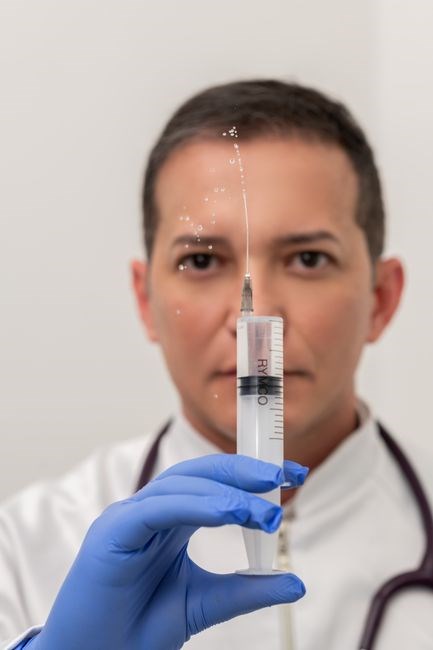
Administer 240 mL of PEG‑ES every 10–15 min until clear stools․ Alternatively, give 250–300 mL every 10 min over 2–3 h․ Continue until liquid bowel movements are clear․ Monitor for tolerance and adjust if needed․ Record intake times and stool consistency․ Stay hydrated; inform staff of discomfort․??
240 mL Glass Every 10–15 Minutes
Begin the PEG‑ES cleanse by measuring a 240 mL glass of the solution․ Instruct the patient to drink the entire glass within 10–15 minutes․ Repeat this cycle until the patient reports clear, liquid stools․ Emphasize the importance of not diluting the solution with water, juice, or other beverages, as this can reduce osmotic effectiveness․ Encourage the patient to keep a timer or use a phone reminder to maintain the 10–15‑minute interval․ Monitor for signs of dehydration—dry mouth, dizziness, or reduced urine output—and advise the patient to sip small amounts of clear fluids (water, broth, or electrolyte drinks) between doses if needed․ Record the exact times of each dose and the stool characteristics in the chart․ If the patient experiences nausea or abdominal cramping, note the severity and notify the provider․ Ensure the patient understands that the goal is to achieve clear liquid stools, not to force the solution beyond the prescribed amount․ After the final dose, the patient should be able to pass clear stools within 1–2 hours, indicating adequate bowel preparation for the upcoming colonoscopy․ Encourage the patient to rest, avoid strenuous activity, and keep the restroom accessible during the cleanse․ This protocol maximizes colon cleanliness while minimizing discomfort and potential complications․
Prior to starting PEG‑ES, confirm no renal impairment, electrolyte imbalance, or GI obstruction, and no PEG allergy․ Store the solution at room temperature, shielded from sunlight, and keep the bottle upright․ Shake gently before each use; discard if cloudy or particulate․ Instruct the patient to avoid alcohol and keep the restroom within reach during the cleanse․ Encourage sipping clear fluids between doses if needed․ Report any nausea promptly!!??
250–300 mL Every 10 Minutes Over 2–3 Hours
After the initial 240 mL glass, the nurse explains the next phase of the PEG‑ES regimen: a higher volume intake of 250–300 mL every 10 minutes․ This accelerated schedule is designed to flush the colon more rapidly, typically completing the cleanse within 2–3 hours․ The patient should measure each dose with a calibrated cup or bottle, ensuring the volume is accurate․ Instruct the patient to drink the full amount within the 10‑minute window, using a timer or phone alarm to maintain consistency․ Emphasize that the solution should remain undiluted; adding water or juice can alter the osmotic balance and reduce effectiveness․ The nurse should advise the patient to monitor stool color and consistency, noting that clear, watery stools indicate adequate preparation․ If the patient experiences nausea or abdominal discomfort, they should notify the nurse immediately; the nurse may recommend a brief pause or a small sip of clear fluid․ The nurse should document the exact times of each dose, the volume consumed, and any patient‑reported symptoms․ After the final dose, the patient should be able to pass clear liquid stools within 30–60 minutes․ This protocol ensures optimal bowel cleanliness while minimizing the risk of dehydration or electrolyte disturbance․ The nurse should also remind the patient to keep the restroom within reach and to avoid strenuous activity during the cleanse․ Finally, the nurse should confirm that the patient has no contraindications such as renal insufficiency or electrolyte abnormalities before proceeding․ The nurse should also review the patient’s medication list to ensure no drugs that could interact with PEG, such as diuretics or potassium supplements, are being taken․ The nurse should provide written instructions and a visual diagram of the dosing schedule․ The patient should be encouraged to report any dizziness or hypotension․ The nurse should also instruct the patient to avoid caffeine during the cleanse․ After the cleanse, the nurse should assess hydration status and advise the patient to resume normal fluids and diet as tolerated․ The nurse should also explain that the 250–300 mL volume is chosen to match the osmotic load required to mobilize stool․ Each dose should be taken from a single bottle to avoid cross‑contamination․ The patient should be reminded to keep the bottle upright and to check for any discoloration before use․ The nurse should instruct the patient to note any vomiting; if vomiting occurs, the nurse should advise the patient to stop the cleanse and contact the provider․ The nurse should also remind the patient that the goal is to achieve clear liquid stools, not to force the solution beyond the prescribed amount․ The nurse should document the patient’s compliance and any adverse events in the chart․ After the cleanse, the nurse should provide post‑procedure instructions, including when to resume solid foods and the importance of maintaining adequate hydration for at least 24 hours․ The nurse should also advise the patient to avoid alcohol for 24 hours after the cleanse, as it can exacerbate dehydration․ The nurse should remind the patient that the solution is not a laxative in the traditional sense but an osmotic agent that draws water into the colon․ The nurse should explain that the solution is safe for most patients but may be contraindicated in those with severe renal disease or electrolyte imbalance․ The nurse should encourage the patient to keep a log of each dose and stool output․ The nurse should also provide a phone number for the provider in case of emergency․ The nurse should ensure that the patient has a clear understanding of the importance of completing the cleanse as prescribed to avoid the need for repeat procedures․

Monitoring Patient Response During Cleansing
Observe stool color and frequency․ Clear liquid stools indicate success․ Report nausea, dizziness, or abdominal pain․ Record times of each dose and bowel movement․ Ensure hydration and note any solid residue․ Monitor vital signs and report any changes․ Now!!!??
Observing Liquid Bowel Movements
During PEG‑ES preparation, the nurse monitors stool characteristics to confirm adequate bowel cleansing․ Clear, watery stools indicate the solution has drawn fluid into the colon and expelled retained material․ The nurse should record the time of each liquid bowel movement to ensure the first clear stool appears within 1–2 hours․ If any stool appears cloudy or contains mucus, this may indicate incomplete evacuation and warrants prompt reassessment of the patient’s fluid intake and adherence to the dosing schedule․
Frequency is also critical․ A typical goal is at least three clear liquid stools within the first 3 hours of therapy․ The nurse should document the number of stools per hour and compare it against the expected range․ A lower frequency may suggest inadequate fluid consumption․ The nurse should also assess patient comfort and report pain,and nausea, or vomiting immediately․ Check for dizziness․!!
In addition to stool appearance, the nurse should assess the patient’s subjective comfort․ Mild cramping or abdominal discomfort is common; however, severe pain, nausea, or vomiting should be reported immediately․ Proper documentation of these observations facilitates timely intervention and ensures a safe, effective bowel preparation․ The nurse should also remind the patient to keep a stool chart and report․ daily․ !!
Identifying Solid Residue
During PEG‑ES bowel preparation, nurses must detect any remaining solid material that could impair colonoscopic visualization․ Solid residue presents as small, firm pellets, mucus‑laden clumps, or partially formed stool that persists after the prescribed dosing interval․ The nurse should examine stool consistency, noting firmness, color, and the presence of undigested food particles․ A clear, watery stool indicates successful fluid displacement; any deviation warrants immediate intervention․
Use a stool chart to log each movement’s appearance and timing․ If stool is semi‑solid or contains mucus, notify the provider and consider an extra 240 mL PEG‑ES dose or a mild laxative․ Counsel the patient to report cramps or discomfort promptly․ soon!
If solid residue persists, advise the patient to ingest an additional 240 mL PEG‑ES and sit for 10–15 minutes before attempting another bowel movement․ Monitor for dehydration signs such as dizziness or low urine output, and encourage increased fluids․
Documentation should record the time, stool description, and interventions․ Accurate logs enable the endoscopy team to assess preparation adequacy and plan the procedure․ Clear communication reduces repeat preparations and improves patient safety․ Always․ !!!

Common Adverse Effects and Management
Polyethylene glycol‑electrolyte solution (PEG‑ES) is generally well tolerated, yet patients may experience discomfort․ The most frequent complaints are abdominal cramping, bloating, nausea, and a sense of fullness․ Dizziness or light‑headedness can occur, especially in elderly or volume‑depleted individuals․ Patients report a taste or mild taste disturbance․ Because PEG‑ES is isotonic, electrolyte shifts are uncommon, but hypotension may appear in susceptible patients, such as those on diuretics or with renal impairment․
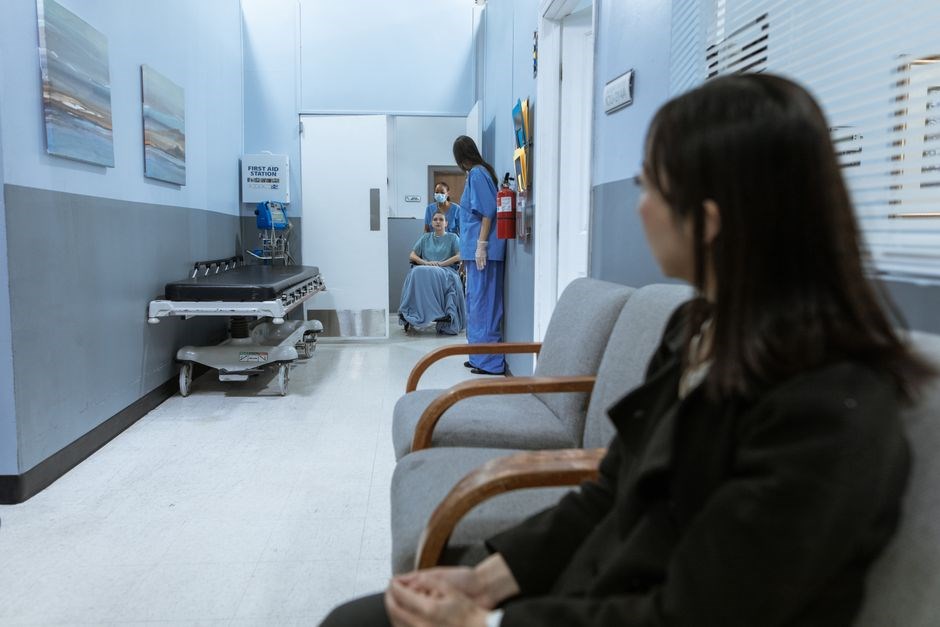
Management strategies focus on symptom relief and prevention of complications․ Encourage fluid intake, allowing the patient to sip 240 mL every 10–15 minutes rather than gulping volumes․ Provide small, frequent snacks if tolerated to reduce nausea․ If cramping is, a brief pause of 5–10 minutes may help․ Monitor vital signs; if hypotension or tachycardia develops, stop the infusion, elevate the legs, and administer isotonic fluids․ For patients with a history of electrolyte disorders, consider pre‑procedure electrolyte screening and adjust the PEG‑ES concentration accordingly․
Educate patients to report any severe abdominal pain, persistent vomiting, or signs of dehydration․ In such cases, discontinue PEG‑ES, provide oral rehydration solutions, and notify the physician․ Follow‑up documentation should capture the onset, severity, and resolution of adverse events, ensuring continuity of care and informing future preparation protocols․!!!

Documentation and Handoff Procedures
After the patient receives PEG‑ES instructions, the nurse documents the regimen in the electronic chart․ Key details include the prescribed volume, frequency, total dose, and any contraindications․ The nurse records the patient’s baseline hydration and confirms understanding with a teach‑back․ Immediate adverse reactions are logged, and the time of the last clear stool is noted to ensure the prep window is respected․ The plan is signed and a written copy is given to the patient․ The nurse confirms understanding and signs the chart,safety․
During the shift change, the nurse completes a standardized handoff form that lists the patient’s name, age, and unique identifier, the PEG‑ES regimen, any adverse events, and the patient’s current bowel status․ The form is scanned into the chart and a copy is faxed to the endoscopy suite․ The nurse records the time the patient began the prep, the volume consumed, and the time of the last clear stool․ This data allows the endoscopist to verify that the prep window was respected and that the colon is likely clean․ If the patient reports nausea or abdominal pain, the nurse documents the severity on a numeric scale and reports to the supervising physician․ All entries are signed with the nurse’s credentials and the date/time stamp to ensure traceability․
The documentation is reviewed for compliance, quality, and adherence to institutional policies, ensuring safety and success․